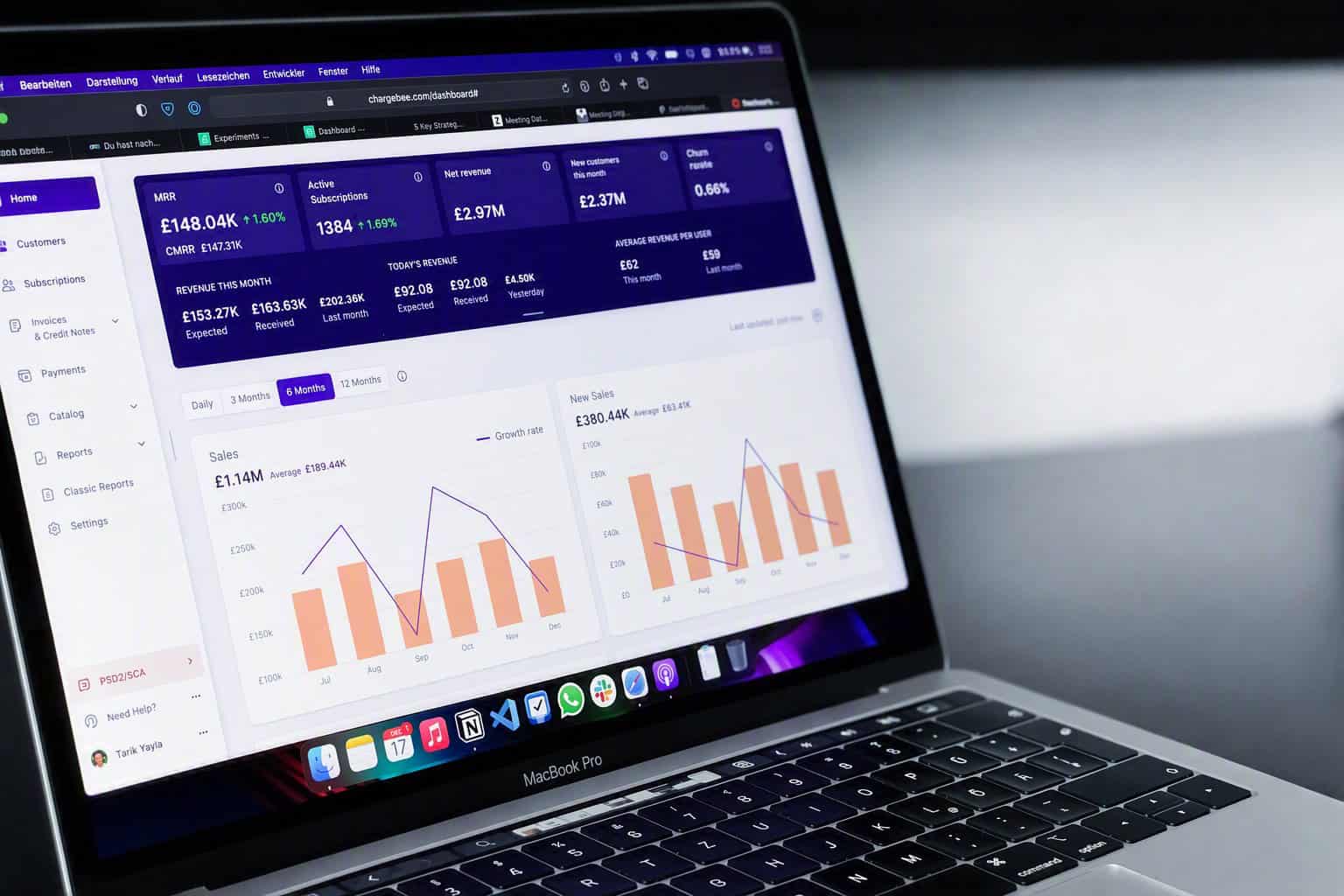
The role of finance has changed. The expectations placed on finance leaders today are very different from those of a decade ago.
Boards and leadership teams no longer look to finance solely for historical reporting and compliance. They increasingly rely on finance departments to provide strategic guidance, identify opportunities and help navigate uncertainty.
To support this role, finance teams need more than an accounting system. They need a platform capable of delivering insight, automation and visibility across the wider organisation.
As many businesses evaluate their next finance system, the focus is shifting away from basic transaction processing towards broader business value.
Real-Time Visibility
One of the most significant challenges finance teams face is delayed information.
When key reports depend on manual consolidation or spreadsheet manipulation, decision-makers can struggle to see what is happening in the business right now.
Modern finance systems are expected to provide immediate access to financial and operational information. Leaders should be able to understand cash positions, profitability, commitments and performance without waiting for lengthy reporting processes.
Real-time visibility creates confidence and enables faster decision-making.
Better Cash Flow Management
Cash flow remains a critical concern for organisations of all sizes.
Yet many businesses still rely on spreadsheet-based forecasting that is time-consuming to maintain and difficult to keep accurate.
A modern finance platform should help finance teams understand cash flow projections, identify potential risks and make informed decisions with greater confidence. The objective is not simply to look backwards at what happened last month. The objective is to understand what is likely to happen next.
Integrated Data Across The Business
Finance rarely operates in isolation.
Financial performance is influenced by purchasing decisions, inventory levels, projects, sales activity and operational processes. When these functions operate in separate systems, finance teams spend significant time gathering information and reconciling discrepancies.
The most effective finance systems connect information across departments, providing a more complete view of organisational performance. This helps finance leaders move from reporting on activity to understanding the drivers behind it.
Automation That Removes Repetitive Work
Many finance professionals continue to spend considerable time on routine administrative activities.
Approvals, reconciliations, data entry and reporting processes often consume resources that could be allocated elsewhere.
Automation should not be viewed purely as a way to reduce effort. It should be viewed as a way to increase capacity.
By automating repetitive tasks, finance teams can devote more attention to analysis, forecasting and business improvement initiatives.
Strong Governance And Auditability
As businesses grow, governance requirements become more important.
Organisations need confidence that financial information is accurate, secure and traceable. Modern finance systems should support clear audit trails, role-based security, approval controls and compliance requirements.
This not only reduces risk but also increases confidence in the information being used to support business decisions.
Scalability Without Replacing Systems Again
Perhaps the most important consideration is future growth.
Many organisations invest in a new platform only to discover several years later that they have once again outgrown their system.
Finance leaders should be evaluating not only today’s requirements but also future ambitions.
Can the system support additional entities?
Can it handle increased transaction volumes?
Can it accommodate new products, locations or business models?
A finance platform should provide room to grow rather than creating another future migration project.
Looking Beyond Features
The best finance systems are not defined by lengthy feature lists.
They are defined by the outcomes they enable.
Better visibility.
Better decisions.
Better control.
And ultimately, a stronger foundation for growth.
The organisations achieving the greatest value from technology investments are often those that view finance systems not as accounting tools, but as strategic business platforms.
Planning Your Next Finance System?
Choosing a new finance platform is about more than replacing software. It is an opportunity to equip your organisation with the tools, insight and automation needed to support long-term growth.
The right system should reduce manual effort, improve visibility, strengthen governance and provide finance teams with the information they need to make confident decisions. Just as importantly, it should scale alongside your business as requirements evolve.
At Akita Intelligent Solutions, we work with finance leaders to assess existing processes, define future requirements and implement Microsoft accounting software that delivers measurable business value.
If you’re evaluating the next step beyond Sage, QuickBooks or Xero, talk to our Business Central specialists about building a finance platform that is ready for the future:
Contact Us